A Geriatric Physician On Why Women Over 60 Are Quietly Abandoning Bras
Dr Priya Vemuri has been practicing geriatric medicine for twenty-one years. She told us the trend she keeps mentioning in appointments but will not elaborate on — and the quiet thing most of her over-60 patients have already done.

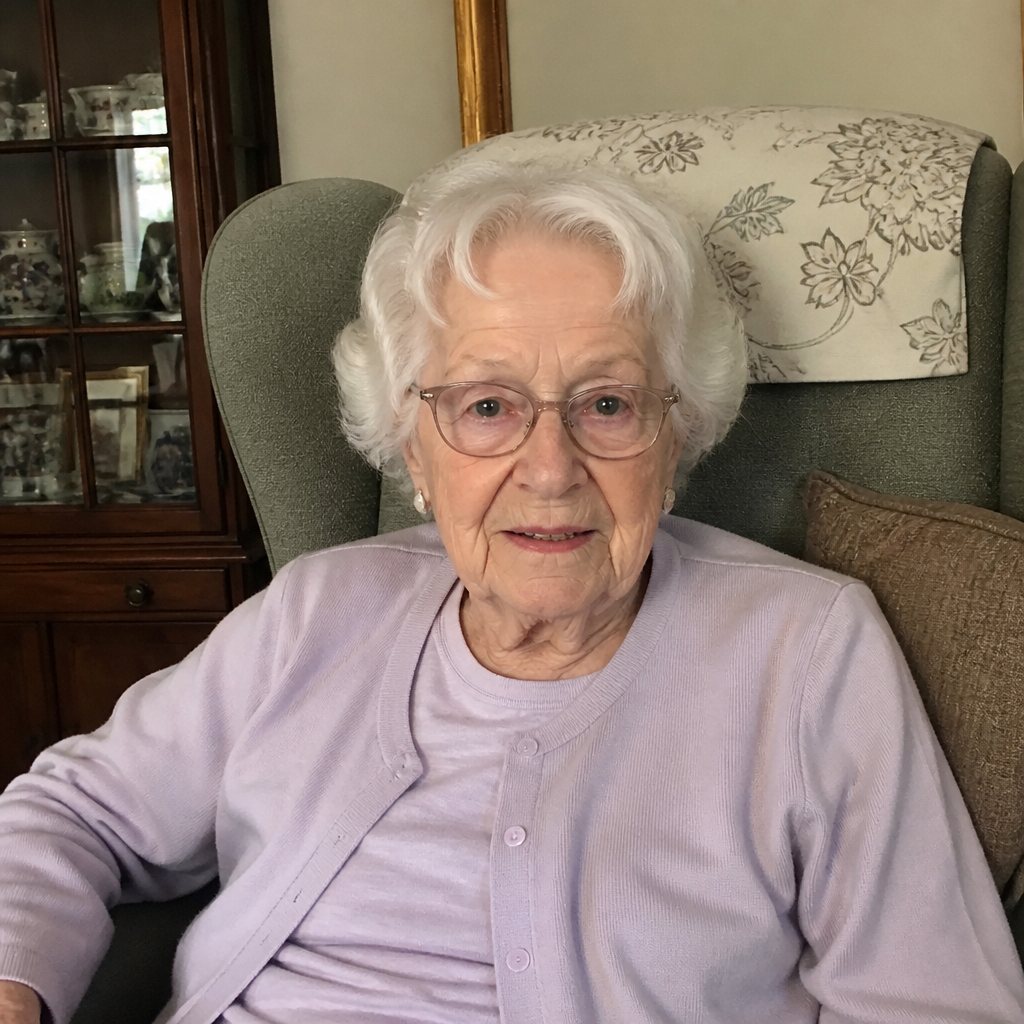
We asked Dr Vemuri the question we keep getting from our readers: why does the day you forget to put a bra on just feel better after 60? She said the medical answer is longer than you'd expect, and then explained what she now suggests to most of her patients post-60 instead.
Honestly? Because the body changes and the garment doesn't. The breast tissue sitting underneath has reorganised. It's softer, lower, less dense. The ribcage itself has shifted a little. The skin over the ribs is thinner. All of that happens quietly between 45 and 65 for most women, and the bra they got fitted for at 40 is simply the wrong cup shape by 65.
Not the wrong size. The wrong shape. That's an important distinction most department-store fittings miss.
The band is sixteen hours a day of localised compression on the thoracic cage, directly over the sub-mammary and axillary lymph chains. For a 30-year-old with resilient skin, no issue. For a 65-year-old with 25% less skin thickness and some rib tenderness, that's a real pressure point. Many of my patients come in and the first thing I notice is a horizontal pink line that doesn't fade.
I used to say "don't wear it as many hours." Then over the last few years, enough patients walked in wearing a soft tank with cups actually stitched into the lining that I started asking them where they got it. Not a shelf bra, not a camisole with a loose foam pad in a pocket — a tank where the cup is part of the garment, stitched in all the way round.
The lift comes from the lining, not from an elastic band around the ribs. There is no clasp. There is no wire. There is no pocket for a pad to migrate out of. You pull it on over the head.
I recommend it now to most of my patients post-60. It solves four separate complaints with one piece of clothing.
The shelf-bra cami is a strip of elastic across the chest and a loose foam pad in a pocket. The pad folds in the first hot wash and the elastic itself still runs across your ribcage, so you've swapped the discomfort for a thinner version of the same discomfort.
The newer construction removes the band and the pocket entirely. The cup is sewn into the garment. The structural lift comes from the shoulder straps and the fitted body of the tank, which spreads the load broadly instead of pointing it at one strip of elastic. It's closer to how an orthopedic brace is designed than how a bra is designed.
In order of how often I hear them: band pressure on tender rib skin, dexterity trouble with the clasp (especially after a frozen shoulder or any thumb arthritis), wrong cup shape no size can fix, and interrupted sleep from either keeping a bra on at night or needing to deal with changing into one in the morning. One tank addresses all four.
The one most of my patients have ended up with is called the Freeform Tank. I don't take any payment to recommend it. It's the one that reliably has the construction I just described, in sizes that fit a 65-year-old body, and a return window long enough that readers can actually run their own thirty-day test. That's what I tell them to do.

The tank Dr Vemuri recommends — the Freeform Tank
- Shaped cups stitched into the lining — the construction the doctor describes
- No band, no wire, no clasp — four complaints solved with one tank
- Pull-on, works through a stiff shoulder — no behind-back reach
- 45-day return window — long enough to run the doctor's suggested 30-day test
Readers who tried it after reading this interview