“They Told Us Never To Say It To A Woman Over 60.” A Senior Fitter Who Spent 22 Years With One Of America's Biggest Bra Brands On The Six Rules That Hurt Her Customers, The Memo She Finally Broke, And What She Wears Now.
She measured, by her own count, something over thirty thousand women. For the last six of those years she trained the fitters in forty-one stores. She agreed to talk to us on one condition: the brand is not named, and neither is she.


Denise fitted her first bra on a Tuesday in March 2003, in a department store in Ohio, on a woman who had come in for a slip. “I remember it because I got it wrong,” she says. “I put her in a 36C because that is what the chart said. She came back a week later with the band rolled up under her bust and I thought, well, that is the chart's fault. It took me about four years to work out it was not the chart.”
She would go on to fit, by her own tally, something over thirty thousand women. For the last six years she wrote the training and ran the fit clinics for forty-one stores across three states. She retired in February. She is sixty-one, and she wears, she says, “the thing I was not allowed to mention”, which is how this conversation started and not, she insists, where it should begin.
“Start with the rules,” she said, and put the binder on the table.
There were eleven rules in the fit manual that applied specifically to what the company called the mature customer, which meant anyone it guessed was over sixty. We have organised what she told us under the six she says did the most damage, in her words, each followed by what she now believes it actually did to the women on the other side of the curtain.
of the women over 60 she re-measured in her last six years were wearing a band at least two sizes too tight, and nearly all of them had been put into it by a fitter following the manual.
Denise's clinic tallies, kept in pencil in the back of the binder. Her count, not a study.Part oneThe six rules, and what they did
“Fit The Band Firm. It Will Give.”

“With effort,” Denise says. “That phrase did more harm than anything else in the book. On a twenty-five-year-old with a rib cage that springs back, fine. After sixty the rib cage does not spring back. It widens a little, the cartilage stiffens, the skin over it thins. We were fitting a band for a body that had stopped existing thirty years earlier, and when it hurt we moved her out a hook and told her she was lucky it had give.”
She says the rule was never updated in twenty-two years. “The fit models we trained on were all under thirty. Every one. I asked for an older model once, in 2017, and was told the fit was the fit.”
“Never Say Uncomfortable. Say Adjustment Period.”

“There is no such thing,” she says. “Elastic does not settle. It fails, slowly, from the first wash. What settles is the woman. She stops noticing, or she stops coming back, and either way the return never happens.”
The returns window in her stores was fourteen days. “The adjustment period and the returns window were the same length. I did not think that was a coincidence by about year eight. By year twelve I was teaching it anyway, because it was my job and because I had a mortgage, and I am not going to sit here and pretend otherwise.”
“Mature Customers Go To The Comfort Wall.”
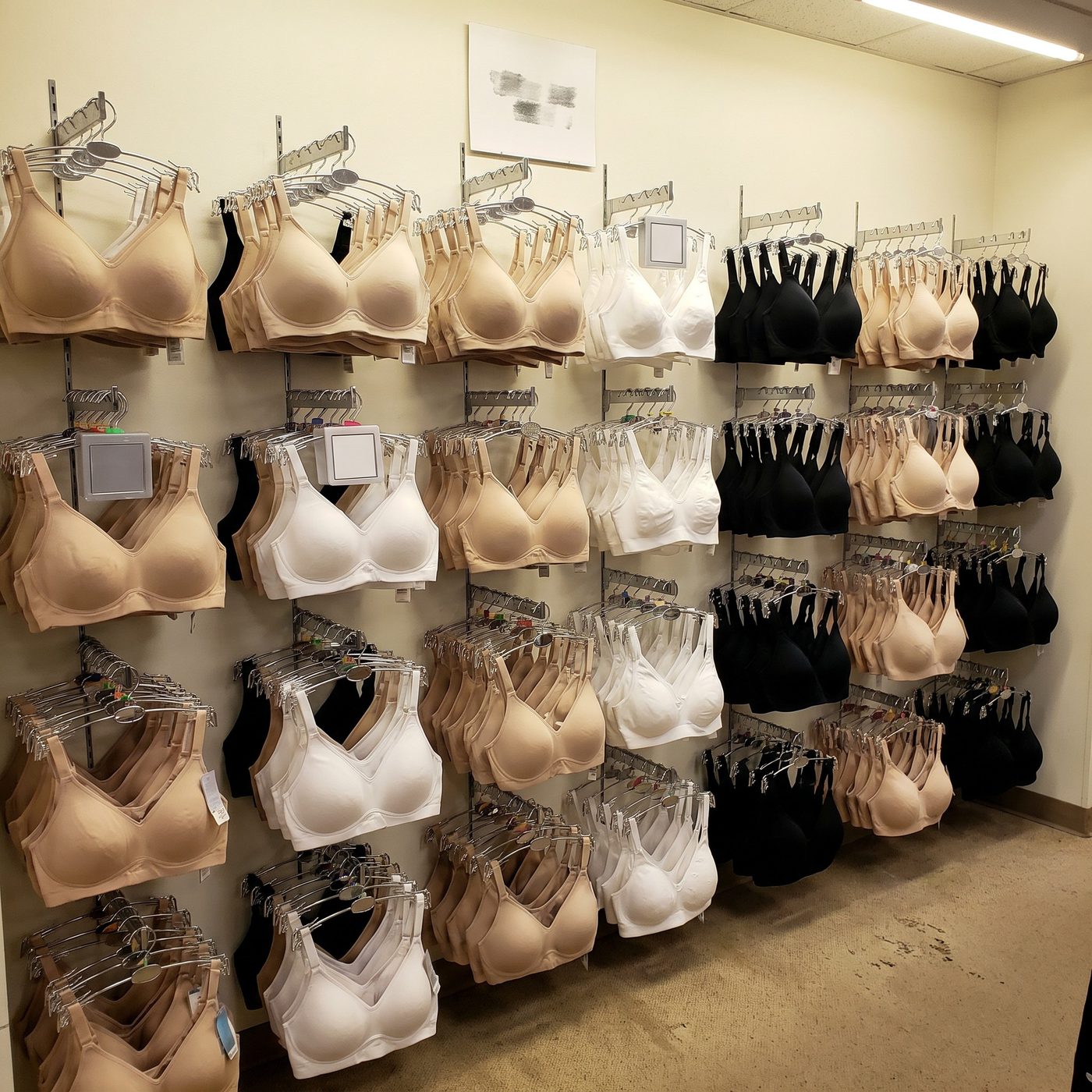
“Comfort was the only word that let us charge about eleven dollars more for the same cup,” Denise says. She pulled the spec sheets once, in her trainer years, and laid a comfort style next to its ordinary sister. “Same band. Same elastic, same hook-and-eye tape, same tension to the gram. The measured differences were the strap, which was wider, and a brushed lining in the wing. That was it. We moved the pressure from your shoulder to your ribs and called it comfort.”
She says the wider strap was real and welcome, and that this was the trap. “The shoulder felt better in the fitting room, so she bought it. The band felt the same by Thursday, and by then she had decided it was her.”
“The Pad Is A Feature. Never Explain The Pocket.”

“Nobody over sixty ever asked me to remove a pad,” she says. “Not once in twenty-two years. They asked me why it had folded in half in the wash, and I was trained to say they should have hand-washed it. A seventy-year-old is not hand-washing a bra. She wants to put it in with the towels, and she has earned the right.”
The pocket, she explains, is cheaper to make than a cup stitched into the lining, because the pad is dropped in by hand at the end rather than sewn around its whole edge. It is also, she says, why a wire-free comfort bra lasts a season. “Which is why they came back and bought another. I was taught to call that loyalty.”
“Do Not Measure Over Anything She Has Brought In.”
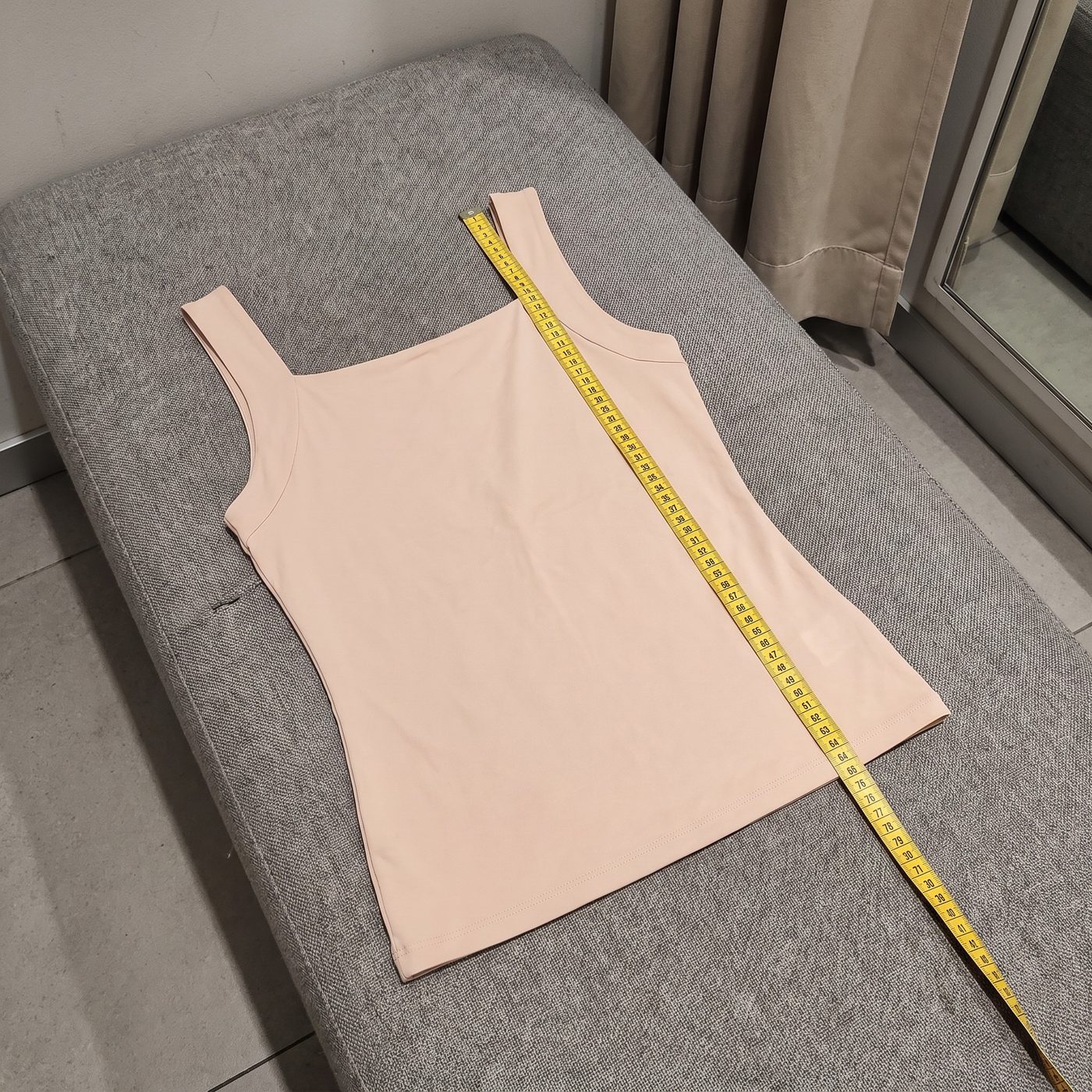
“Read that again,” Denise says. “The correct baseline was ours against nothing. In twenty-two years I was never once allowed to measure a woman in something that was working for her and then show her ours next to it. Now you know why.”
This is the rule that broke, for her, in the spring of 2022, and it broke because of a woman called Marian. Marian was seventy-two, came in on a Wednesday, and was wearing a soft tank with the cups built into the lining that her daughter had sent her. She asked to be measured over it, “because this is what I am going to wear, and I want to know what size I am in it”.
“I was not going to argue with a seventy-two-year-old about her own chest,” Denise says. “So I measured her over it. Forty-one inches around. And then, out of habit, I lifted the hem an inch to check the band line, because I had been looking at band grooves for nineteen years.” She stops. “There was not one. There was nothing under there to make one.”
Section 9: “Non-Structured Alternatives.”

The page arrived, she says, after a quarter in which returns and complaints from customers over sixty had risen enough to be mentioned on a regional call. “Somebody at head office had read the complaint notes. A lot of them said the same thing: my daughter sent me a tank, I wore it for a week, I am bringing all of these back. So they did not fix the band. They wrote Section 9.”
She taught it for two years. “I would like to tell you I refused. I taught it. I stood in front of fitters half my age and told them that if a customer asked about a tank they were to redirect, and I used that word.”
Then, in her last autumn, a woman asked her straight out what she would put her own mother in. “And I told her. My area manager was in the store. I got a written warning for endorsing a competitor product, and it was not even a competitor, it was something a customer had carried in. I would like to think that was when I decided to retire. It was actually the week after, when I counted my warnings. That was the only one I was proud of.”
Part twoWhat she bought on the way home
Denise ordered her first one the week of Marian's fitting, from her phone, in the staff car park. She would not say which company. “I am not a brand's fitter any more and I am not going to be anybody's salesperson. Ask me what is different.” So we did, and this is her answer, as a fitter.
There is no band. “That is the whole thing. There is nothing under the bust to tighten, so there is nothing to fit firm, nothing to give, and nothing to leave a groove. It holds you by being fitted through the body, which spreads the work over about ten inches of torso instead of an inch and a half of elastic. I measured myself over it for you this morning. Forty inches. No line.”
The cups are sewn in. “Not dropped in a pocket. Stitched into the lining all the way round, so there is no pad to fold, no gap, and no elastic strip under the pocket to dig. It goes in with the towels. I have had the same five since 2022 and the cups are where they were.”
The straps are as wide as three fingers. “Every fit model I ever trained on had a half-inch strap. Nobody over sixty has half-inch-strap shoulders. These sit flat and they do not move, and that is the first thing a woman notices before she notices the band is gone.”
It pulls on over the head. “No hooks. No clasp. My hands are sixty-one as well.” The neckline is square and straight across, which she says is why it disappears under a blouse or a cardigan instead of showing as a scoop.

She owns five, in five colours, and wears one every day. We asked whether a fitter of twenty-two years really believed a tank could hold a larger bust. “I fitted 40G women for two decades. The question is what is doing the holding. A band holds by squeezing. A fitted body holds by covering. I would put anyone up to a 5XL in one, and the company that makes it gives you forty-five days to prove me wrong, so you do not have to take a retired fitter's word for anything.”
Where readers can find it
Denise would not name it, on principle, and we respected that in the interview. Readers who saw an early draft asked us within the hour, so we checked. The tank she describes is the Freeform Tank, made by a small US company and sold only through its own order page. It is the only one we found with the cups stitched into the lining and no band of any kind, which is the construction Section 9 was written about.

The Freeform Tank
- No band — nothing under the bust to fit firm, give, or groove
- Cups sewn into the lining all the way round — no pocket, no pad to fold in the wash
- Straps three fingers wide, square neckline — sits flat, disappears under a blouse
- Pulls on over the head — six colours, sizes S to 5XL
Three Readers Who Saw The Early Draft
We sent this piece, before publication, to three readers who had already stopped wearing a bra at a fitter's say-so. Their notes came back the same evening.

“I was fitted twice in the same year by the same chain and both times I walked out in a band I could not breathe in, and both times I was told it would settle. Reading the fourteen days part I actually said out loud, I knew it. I have been in the tank since July.”

“I bought off that comfort wall for fifteen years and never once thought to ask whether the band was different. It was not. My husband asked me last month why I had stopped sighing when I came in the door. That is the band gone.”

“My daughter sent me one the way Marian's did. I measured myself over it after reading this, the way Denise says, and there is no line. Thirty years of lines, and there is no line.”
What Readers Asked Denise
Is a tank really enough support at my size?
“I fitted larger busts than yours for twenty-two years, and the honest answer is that support was never about the band. It was about what the band let the brand avoid doing. A fitted body with the cups sewn in holds a 40G because it covers the whole bust and takes the weight through the torso. Order the size you are now, wear it for a day, and if I am wrong the forty-five days are there.”
What size do I order?
“Not your bra size. Your top size, the one on your blouses, and if you sit between two, the larger. The chart on the order page goes S to 5XL. It is cut to lie flat and hold, not to squeeze, so there is no hook to buy a size tighter for.”
Will it show under my clothes?
“Less than a bra does. The neckline is square and straight across, so under a blouse it reads as a camisole, and there are no hooks or strap sliders to print through a knit. I wear mine under everything.”
Will the cups fold in the wash?
“No, because they are not in a pocket. They are stitched into the lining all the way round. Warm wash, in with the towels, tumble low. Mine are four years old.”
Why wouldn't the store just sell this?
“Because you would buy a few and stop coming in. Everything in the manual was built around the woman coming back. I do not say that with any bitterness now. I say it as a fitter.”
Reporting by the Women's Health Insider desk. Denise is a pseudonym; the brand is withheld at her request and ours. This is one former employee's account and our own checks of it. It is not medical advice.