The One Thing I Changed About My Menopause Patients' Wardrobes
After twenty years counseling women through perimenopause and menopause, there is a single garment swap I now recommend before I write a prescription for anything else. It costs less than a doctor's visit and most of my patients wish they had done it sooner.


You have probably been told that the solution to perimenopausal thermal discomfort is hormone replacement, breathable fabrics, a cooler bedroom, or a desk fan. I prescribe all four, when they are indicated. None of them is the first thing I ask a new patient to change.
The first thing I ask a new patient to change is her bra.
In twenty years of menopause practice I have examined thousands of mid-life chests under good light. Every one has a horizontal pink line across the mid-back where the elastic has pressed on thinning skin. Every one has a vertical groove across the trapezius where the strap has sat. On a cool day, those are nuisances. On a warm day — or at 3 AM in a hot flash — they are the single trapped-heat source in an outfit that is otherwise doing its job.
The thermal problem no one explains at the office visit
Perimenopause changes the body's thermal set point. The hypothalamus starts firing cooling responses at smaller provocations — a warm room, a warm meal, a cup of tea, a comforter you've slept under for a decade. The body sweats sooner, more, and in different places. The upper chest and the mid-back become the primary cooling zones.
Now layer a conventional bra on top of that. The elastic band is a non-breathable ring that sits at the exact mid-back cooling zone. The underwire traps moisture in the inframammary fold. The strap grooves the trapezius — a region that becomes much more sensitive during the hormonal shift.
Patients describe the result in the same way, over and over.
- "My bra is damp by 11 AM. Nothing else I'm wearing is."
- "I wake up at 2 AM and the band is the one part of me that is actually wet."
- "I had a hot flash in a meeting and I could feel the sweat sitting under the strap for an hour afterward."
- "I take my bra off the minute I walk in the door. I never used to need to."
None of this is in a patient's imagination. The garment is a thermal problem long before the hormones become one, and the hormones make the thermal problem acute.
Why hormone replacement does not fix the garment
I prescribe hormone replacement when it is clinically appropriate, and I believe in it. HRT reduces the frequency and intensity of hot flashes substantially in most patients. What HRT does not do — because it cannot — is remove a non-breathable elastic band from the mid-back cooling zone, or remove a wire that traps sweat in a skinfold, or remove a strap that grooves a sensitive trapezius muscle.
A patient on HRT with the right bra is comfortable. A patient on HRT with the wrong bra is less uncomfortable than she was, but she is still uncomfortable, and she is still asking me at every visit why the night sweats haven't gone away. The answer is often not the dose. The answer is the garment.

What I now recommend before I prescribe anything
In early 2024 I started handing out a specific tank to every new menopause patient at her first consult. It is a camisole with the shaped cups sewn into the lining — no band, no wire, no clasp. It is cut from a modal-cotton blend that behaves correctly against sweat: it wicks instead of trapping, and it dries at skin temperature instead of staying damp.
My patients wear it under their clothes in place of a bra. On the nights their hot flashes wake them, they wear it to bed and the cooling response is allowed to actually cool — the mid-back is uncovered under a nightgown, the ribcage is unbanded, the trapezius is ungrooved.
I have an informal running tally. Of the first hundred patients I gave the tank to, eighty-three told me at their follow-up visit that it was the most consequential change I had asked them to make in the past year. Three of my patients bought one for every daughter in their family. One brought me a hand-written thank-you note.

The tank I hand out at the consult — Freeform
- No band across the mid-back — the primary cooling zone during menopause is uncovered.
- Modal-cotton blend that wicks instead of trapping — damp doesn't sit against skin.
- Shaped cups stitched into the lining — support without a strap vector and without a wire fold.
- Six colours, S to 3XL — the three-pack is the one most of my patients order after the first wear.
Letters from patients and readers who tried it
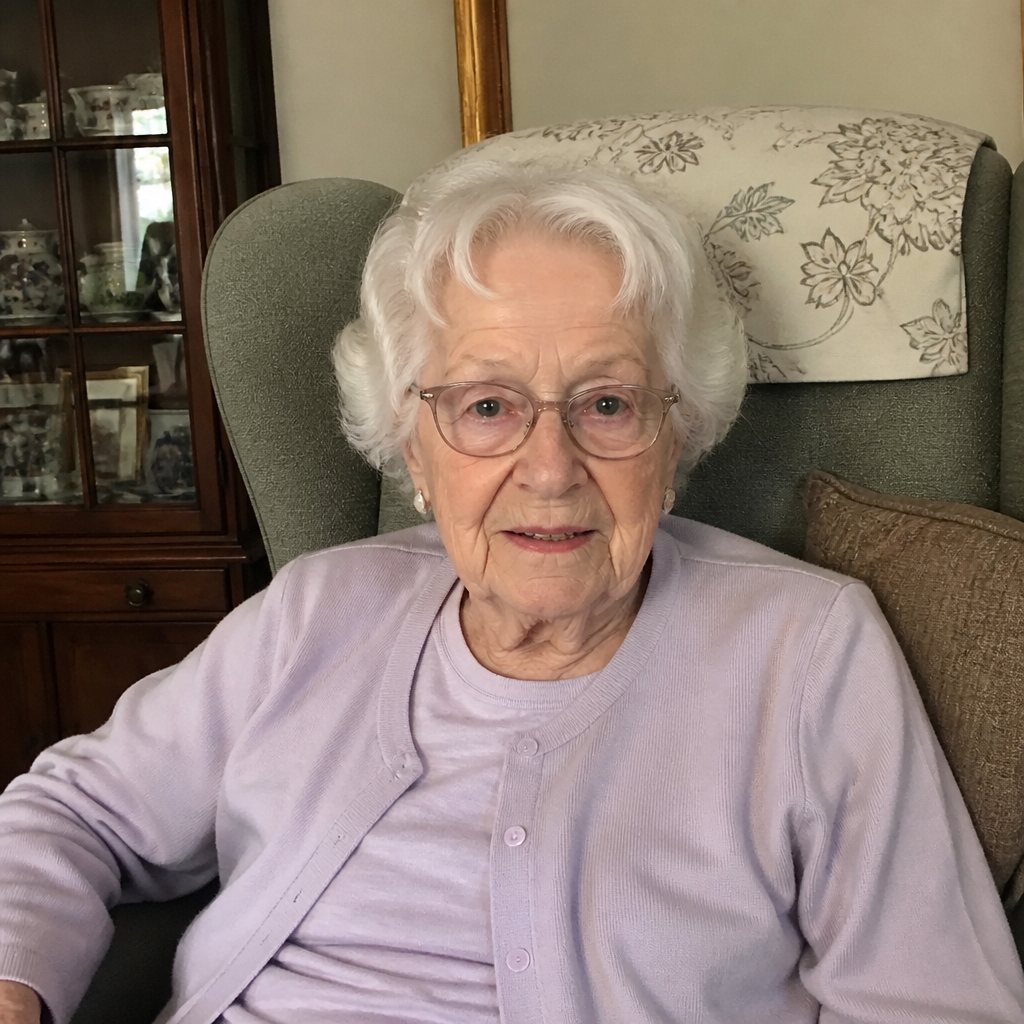
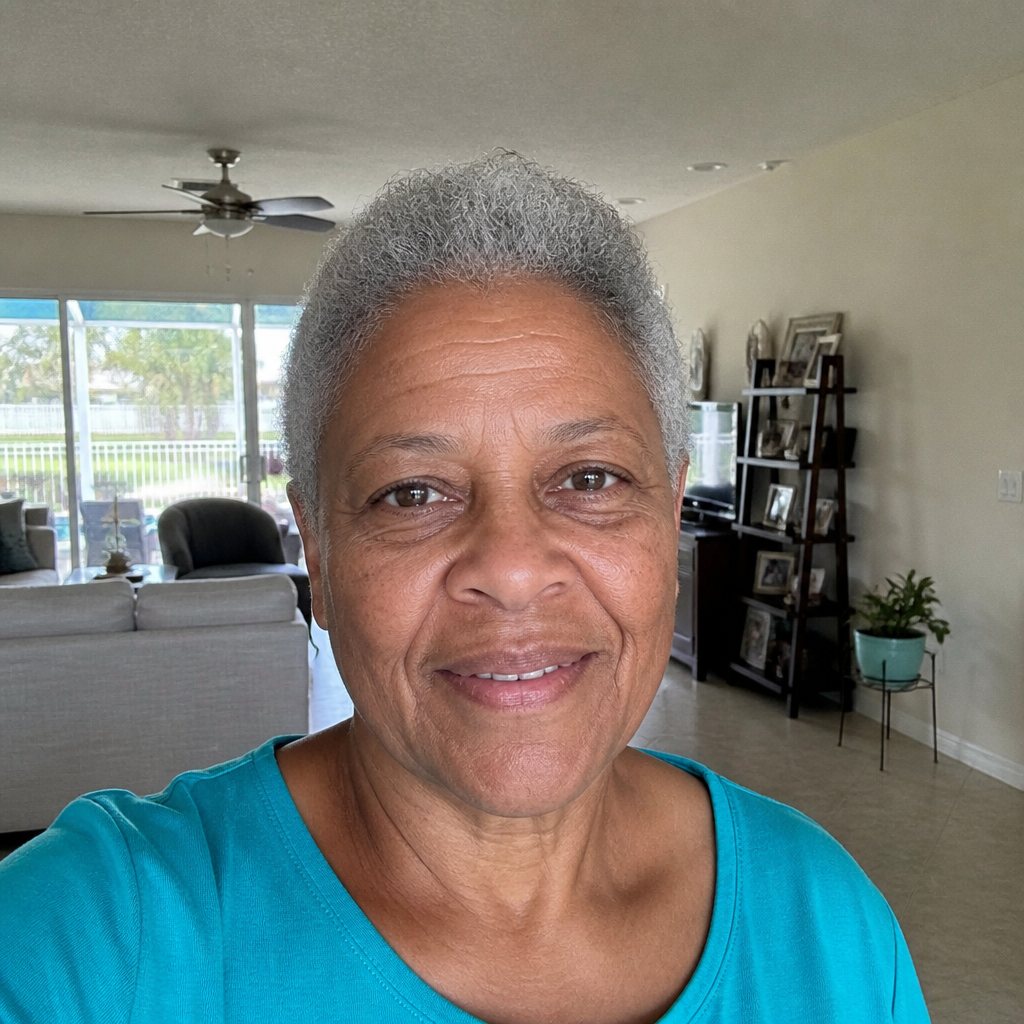
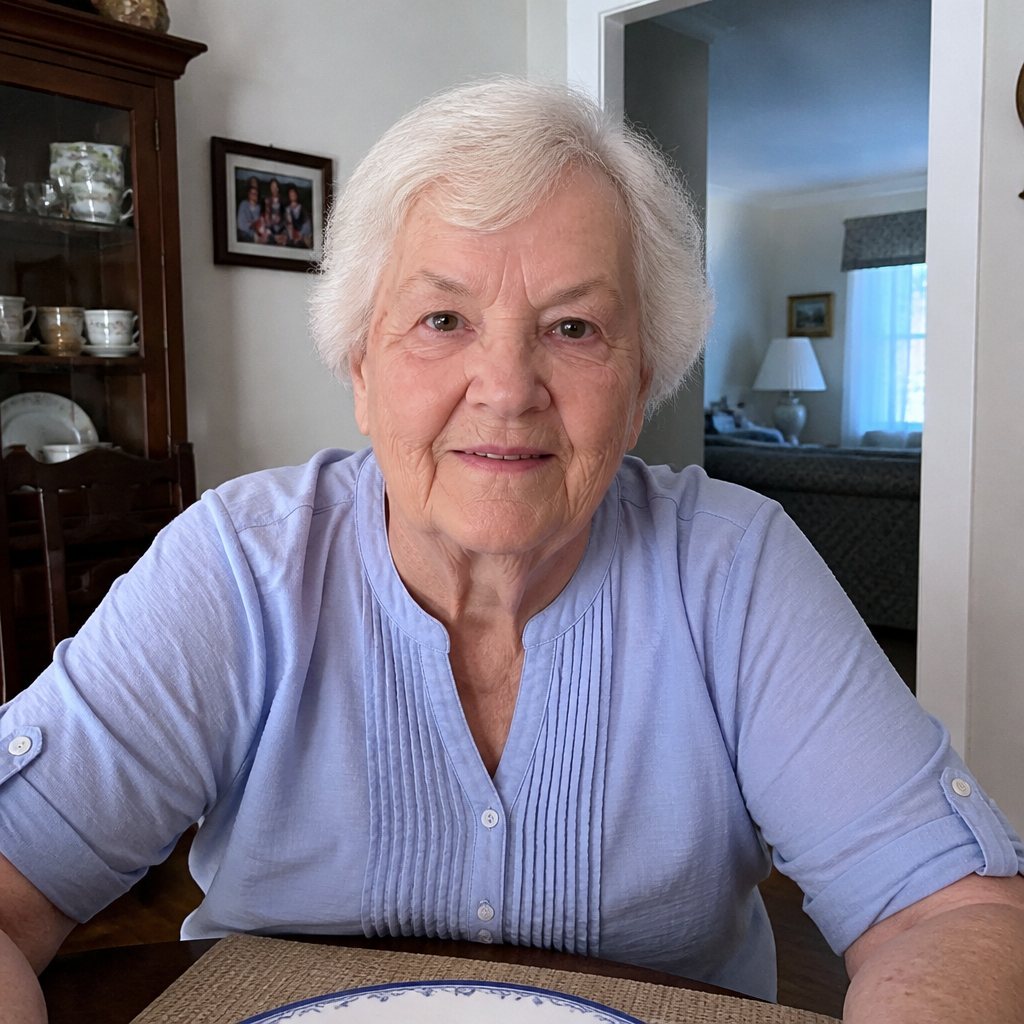
If your HRT is dialed in and you are still waking up at 2 AM with the sheets pushed off, consider the garment. The hormone piece is one half of the equation; the thermal piece is the other half, and nobody has been teaching us the thermal piece.Linda Carson, FNP, NCMP · Minneapolis, MN
See Today's Reader Offer →